
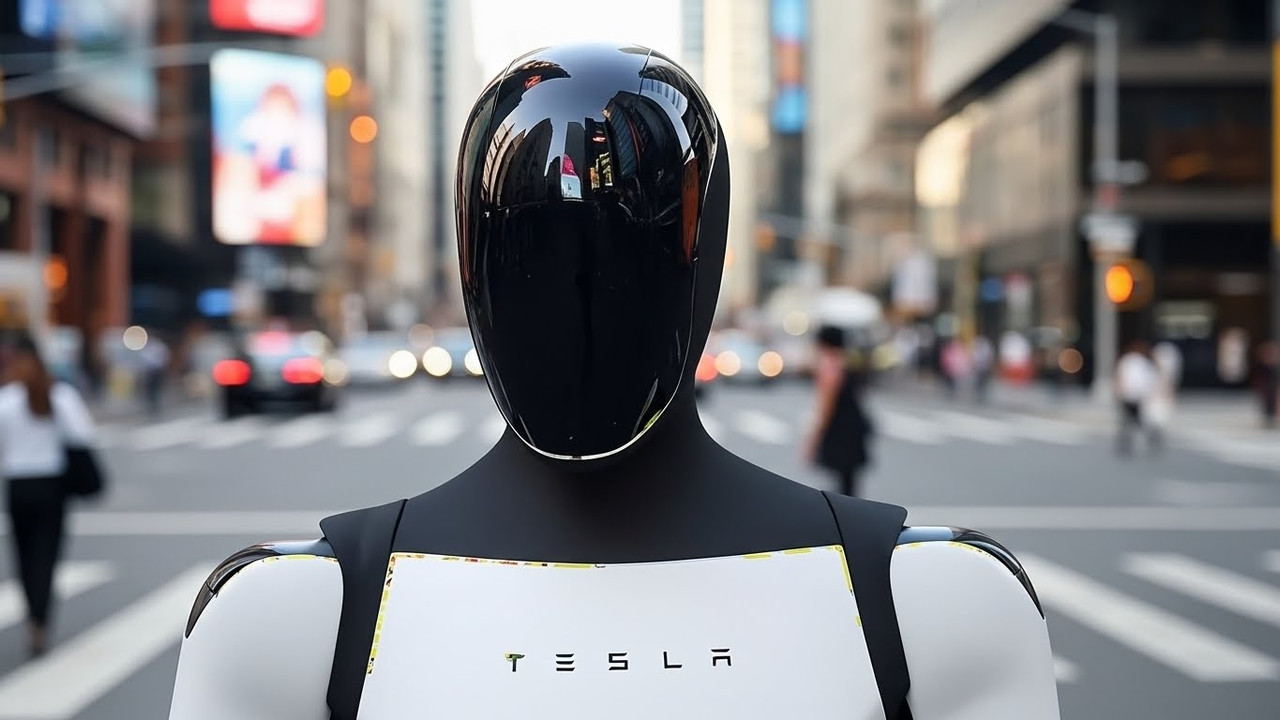
FORMER TESLA OPTIMUS ENGINEER JOINS XIAOMI ROBOTICS TEAM IMMEDIATELY
in a major shift in the global robotics landscape, xiaomi has successfully recruited zach lu zeyu, a former senior robotics engineer who played a crucial role in elon musk's tesla optimus humanoid robot project. this strategic hire comes as chinese tech giants aggressively pursue top talent in the rapidly evolving robotics sector, signaling a significant brain drain from silicon valley to china's growing tech ecosystem. the move raises questions about america's ability to retain its most brilliant robotics minds as international competition intensifies for the future of human-like machines. this development follows tesla's recent legal battle against former optimus engineers who founded proception inc., a startup focused on developing advanced robotic hands after leaving musk's company. industry insiders suggest that zach lu's expertise could be instrumental in advancing xiaomi's existing cyberone humanoid robot, which actually beat tesla to market as one of the first full-scale humanoid robots unveiled by a major corporation. the timing couldn't be more critical as xiaomi seeks to establish itself as a serious contender in the humanoid robotics race against tesla and other global tech giants. what makes this talent acquisition particularly significant is that zach lu worked directly on tesla's most ambitious robotics project during a period when elon musk was making bold promises about the optimus robot's capabilities and timeline. while tesla has been teasing its humanoid robot for over a year, xiaomi has already demonstrated substantial progress with its cyberone robot, positioning itself as a formidable competitor in this emerging field. the chinese company's aggressive recruitment strategy appears to be paying off, as they continue to attract world-class engineers who bring invaluable experience from cutting-edge projects at american tech companies. industry analysts are watching closely to see how this talent shift will impact the global race for humanoid robotics supremacy. with zach lu's background in tesla's optimus program, xiaomi now has access to insights and expertise that could accelerate their development timeline significantly. this comes at a crucial moment when companies worldwide are realizing that the future of automation and human-robot interaction will be defined by those who can create machines that move, grasp, and interact with the world as naturally as humans do. the implications extend far beyond corporate competition. as former tesla engineers spread their knowledge across different companies and countries, the entire robotics industry benefits from accelerated innovation, though intellectual property concerns remain a serious challenge. xiaomi's ability to attract such high-profile talent demonstrates china's growing influence in advanced robotics research and development, potentially shifting the center of gravity in this critical technology sector away from traditional silicon valley dominance. have you ever wondered what it takes to build a robot that can truly interact with the human world? the answer lies in the hands – those complex, dexterous appendages that separate advanced robots from simple machines. zach lu's expertise in this specific area could prove transformative for xiaomi's ambitions, as robotic hands remain one of the most challenging components to perfect in humanoid design. every time you use your hands to pick up a coffee cup or type on your phone, you're performing tasks that represent the cutting edge of robotics engineering. imagine a world where robots can assist elderly family members with daily tasks, perform delicate surgical procedures, or work alongside humans in factories without safety barriers. these aren't science fiction scenarios anymore – they're the near-future applications driving billion-dollar investments from companies like tesla, xiaomi, and dozens of startups worldwide. the question isn't whether humanoid robots will become commonplace, but who will lead this revolution and what values will guide their development. as america watches its top robotics talent migrate to international competitors, we must ask ourselves: are we creating the right environment for innovation and retention? silicon valley has long been the world's innovation hub, but changing dynamics in global tech investment, regulatory environments, and corporate culture are reshaping where the brightest minds choose to build their careers. zach lu's move to xiaomi represents more than just a career change – it's a signal that the global tech landscape is undergoing fundamental transformation. what does this mean for american consumers and workers? the answer is complex. on one hand, increased global competition accelerates innovation and brings advanced technologies to market faster. on the other hand, losing top engineering talent could impact america's leadership position in critical future technologies. the robotics race isn't just about corporate profits – it's about national competitiveness, economic security, and maintaining technological edge in an increasingly automated world. xiaomi's aggressive talent acquisition strategy extends beyond just zach lu. the company has been systematically building a world-class robotics team by recruiting from top programs and companies worldwide. this methodical approach to talent development contrasts with tesla's more publicized but sometimes chaotic hiring practices under elon musk's leadership. while musk makes bold promises about robot capabilities and timelines, xiaomi focuses on steady, methodical progress with tangible results already demonstrated through their cyberone robot. the legal battles surrounding tesla's optimus project reveal another dimension of this competitive landscape. when engineers leave to start their own companies, they bring valuable knowledge but also raise legitimate concerns about intellectual property protection. tesla's lawsuit against former engineers who founded proception inc. highlights the tensions between individual career growth and corporate knowledge protection in this high-stakes industry. these legal disputes could ultimately slow down innovation if companies become overly protective of their research. meanwhile, xiaomi continues to demonstrate that they can move quickly from concept to reality. while tesla has been teasing its optimus robot for years, xiaomi actually unveiled their cyberone humanoid robot, showing concrete progress rather than just promises. this execution-focused approach may prove more effective in the long run, especially if they can leverage expertise from engineers like zach lu who understand both the theoretical possibilities and practical challenges of humanoid robotics. the robot hand technology that zach lu will be advancing at xiaomi represents one of the most difficult challenges in robotics engineering. human hands are incredibly complex – they contain bones, countless muscles and tendons, and can perform tasks ranging from delicate surgery to heavy lifting. replicating this versatility in robots requires breakthroughs in materials science, artificial intelligence, and mechanical engineering. every small improvement in robotic dexterity opens up new applications and use cases that were previously impossible. consider how this technology could transform your daily life. robots with human-like hands could help with household chores, assist in disaster response operations, or work in environments too dangerous for humans. they could revolutionize manufacturing by handling delicate components with precision, or transform healthcare by performing minimally invasive surgeries with superhuman steadiness. the potential applications are limited only by our imagination and the pace of technological advancement. but there are serious questions about the ethical implications of advanced humanoid robots. as these machines become more capable and more lifelike, we must consider issues of job displacement, safety protocols, and the psychological impact of sharing our world with increasingly human-like machines. who will be responsible when a robot makes a mistake? how do we ensure these technologies benefit all of society, not just the wealthy and powerful? these aren't hypothetical concerns – they're urgent questions that require thoughtful discussion now, before the technology outpaces our ability to govern it responsibly. the competition between american and chinese tech companies in robotics also raises geopolitical concerns. robotics technology has both civilian and military applications, and leadership in this field could translate to significant strategic advantages. as xiaomi and other chinese companies attract top talent from american firms, we must consider the national security implications of this knowledge transfer. how do we balance open innovation with protecting critical technologies that could impact our long-term security? american workers should be asking themselves: what skills will remain valuable in a world of increasingly capable robots? the answer isn't to fear automation but to adapt and develop uniquely human capabilities that complement rather than compete with machines. creativity, emotional intelligence, complex problem-solving, and interpersonal skills will become even more valuable as routine tasks become automated. the challenge is ensuring that education and training systems prepare workers for this future rather than clinging to outdated models. for consumers, the robotics revolution promises incredible benefits – from personalized assistance to improved healthcare outcomes to increased productivity. but we must also be vigilant about privacy concerns, data security, and the potential for these technologies to be used in ways that undermine human dignity and autonomy. the companies that succeed will be those that prioritize human-centered design and ethical development practices alongside technical innovation. the story of zach lu's move from tesla to xiaomi is more than just corporate news – it's a microcosm of larger global trends reshaping our technological landscape. as talent flows across borders and companies compete for leadership in emerging technologies, the winners will be those who can attract and retain the best minds while creating environments where innovation can flourish. america's ability to compete in this new era will depend on our willingness to invest in education, research, and infrastructure that supports advanced technology development. have you ever stopped to consider how quickly the world is changing around us? just a decade ago, smartphones were still relatively new, and the idea of self-driving cars or humanoid robots seemed like distant future. today, these technologies are not just real – they're actively reshaping our economy, our society, and our daily lives. the pace of change is accelerating, and those who can adapt quickly will thrive while others struggle to keep up. xiaomi's strategic hiring of former tesla engineers represents a calculated move to close the gap with american tech leadership. by bringing in talent with direct experience from elon musk's ambitious projects, they're not just gaining technical expertise – they're acquiring institutional knowledge about how to approach complex robotics challenges at scale. this kind of strategic talent acquisition could prove more valuable than billions in research funding, as experienced engineers can avoid costly mistakes and accelerate development timelines significantly. the implications for tesla and elon musk's robotics ambitions are significant. losing key engineers to competitors weakens their position in the race to commercialize humanoid robots. while musk has made bold promises about optimus robots becoming as common as cars, the reality is that tesla faces serious challenges in retaining top talent and delivering on these ambitious timelines. every engineer who leaves takes valuable knowledge and experience that could delay tesla's progress while strengthening their competitors. meanwhile, xiaomi continues to demonstrate a methodical approach to robotics development. they didn't just talk about building a humanoid robot – they actually built one and showcased it to the world. their cyberone robot represents a significant achievement, and with engineers like zach lu joining their team, they're positioned to make even more rapid progress in areas like robotic dexterity and human-robot interaction. this execution-focused strategy may ultimately prove more effective than tesla's promise-heavy approach. the robotics industry is at a critical inflection point. advances in artificial intelligence, materials science, and computing power are converging to make humanoid robots more capable and practical than ever before. companies that can successfully integrate these technologies into useful, reliable machines will capture enormous value. but the path forward isn't just about technical capability – it's about understanding human needs, designing for real-world applications, and building trust with users who may be wary of increasingly autonomous machines. american companies and policymakers should be asking tough questions about why top robotics talent is choosing to work for chinese companies instead of staying in the united states. is it about compensation packages, research freedom, corporate culture, or something more fundamental about how we support innovation? the answers to these questions will determine whether america maintains its leadership position in this critical field or cedes ground to international competitors. the competition isn't just about which company builds the most impressive robot demonstration – it's about who can create technologies that solve real human problems and improve lives. xiaomi's focus on practical applications and their willingness to invest heavily in talent acquisition suggests they understand this reality. while tesla focuses on spectacle and bold promises, xiaomi is building a sustainable robotics program with long-term vision and strategic execution. for everyday americans, this robotics revolution will bring both opportunities and challenges. jobs will be transformed, new industries will emerge, and familiar tasks will be automated. the key to thriving in this new environment is adaptability, continuous learning, and focusing on uniquely human skills that machines cannot easily replicate. emotional intelligence, creativity, complex decision-making, and interpersonal communication will become increasingly valuable as routine tasks become automated. the ethical considerations surrounding advanced robotics cannot be ignored. as machines become more capable and more integrated into our lives, we need robust frameworks for ensuring they're used responsibly and ethically. this includes addressing concerns about privacy, safety, accountability, and the potential for these technologies to exacerbate existing social inequalities. the companies that succeed will be those that prioritize ethical development alongside technical innovation. geopolitically, the race for robotics leadership has significant implications for national security and economic competitiveness. countries that lead in this field will have advantages in manufacturing, healthcare, defense, and countless other sectors. america's ability to attract and retain top robotics talent like zach lu will be crucial to maintaining our competitive edge in this strategically important technology area. the loss of key engineers to foreign competitors represents not just corporate setbacks but potential national security concerns. the story of zach lu's move from tesla to xiaomi is a wake-up call for american innovation ecosystems. we must create environments where top talent wants to build their careers – with competitive compensation, meaningful research opportunities, supportive regulatory frameworks, and strong intellectual property protections. the alternative is watching our best and brightest take their expertise to competitors who may not share our values or interests. as consumers, we should be excited about the potential benefits of advanced robotics while remaining vigilant about protecting our rights and interests. the companies that succeed will be those that build trust through transparency, prioritize user safety and privacy, and create technologies that enhance rather than replace human capabilities. the future of robotics isn't just about building better machines – it's about building a better future for humanity. have you considered how your own career might be affected by these technological changes? the robotics revolution isn't something that will happen someday in the distant future – it's already underway, transforming industries and creating new opportunities even as it disrupts existing jobs. those who can adapt, learn new skills, and work effectively alongside intelligent machines will be best positioned to thrive in this new economy. the competition between american and chinese tech companies in robotics also reflects broader economic and strategic competition between our nations. while healthy competition drives innovation, we must be careful not to lose sight of shared human values and the importance of international cooperation on critical issues like safety standards and ethical guidelines. the goal shouldn't be for one nation to dominate robotics technology, but for humanity as a whole to benefit from these advances. what will you do to prepare for this future? will you embrace lifelong learning and develop skills that complement rather than compete with machines? will you advocate for policies that ensure the benefits of automation are widely shared across society? will you support companies that prioritize ethical development and human-centered design? these are the questions we all need to ask ourselves as we navigate this technological transformation. imagine waking up five years from now to a world where humanoid robots are common in homes, hospitals, and workplaces. this isn't science fiction – it's the direction we're heading based on current trends and investments. the companies and countries that lead this transformation will shape how these technologies impact our lives, our economy, and our society. the time to engage with these issues is now, before the future arrives and we find ourselves unprepared for the changes it will bring. will you be ready when the robots arrive at your doorstep? ei, ever think you might miss out on knowing more about this? here i post new content every day, always at am, noon, and pm, come back every day to see new content right here. join the TELEGRAM group and stay updated with more content like this and follow me also on X (Former Twitter):
X (Former Twitter): https://x.com/insanosrx TELEGRAM Group: https://t.me/+fzfwcgydbjmjzh Credits: – CLUBE DO CONTEUDO INFINITO – #robotics #tesla #xiaomi #elonmusk #humanoidrobots #technews #innovation #futuretech #artificialintelligence #robotrevolution



0 Comments